Onboarding Systems for New Employee in Waste Processing: Tasks, Pay Insights, and How to Get Started
Highlights
- Specialized onboarding systems enhance efficiency, safety, and compliance in waste processing jobs.
- Industry certifications boost earning potential, supported by labor unions advocating for fair wages.
“`html
Summary of Onboarding Systems in Waste Processing
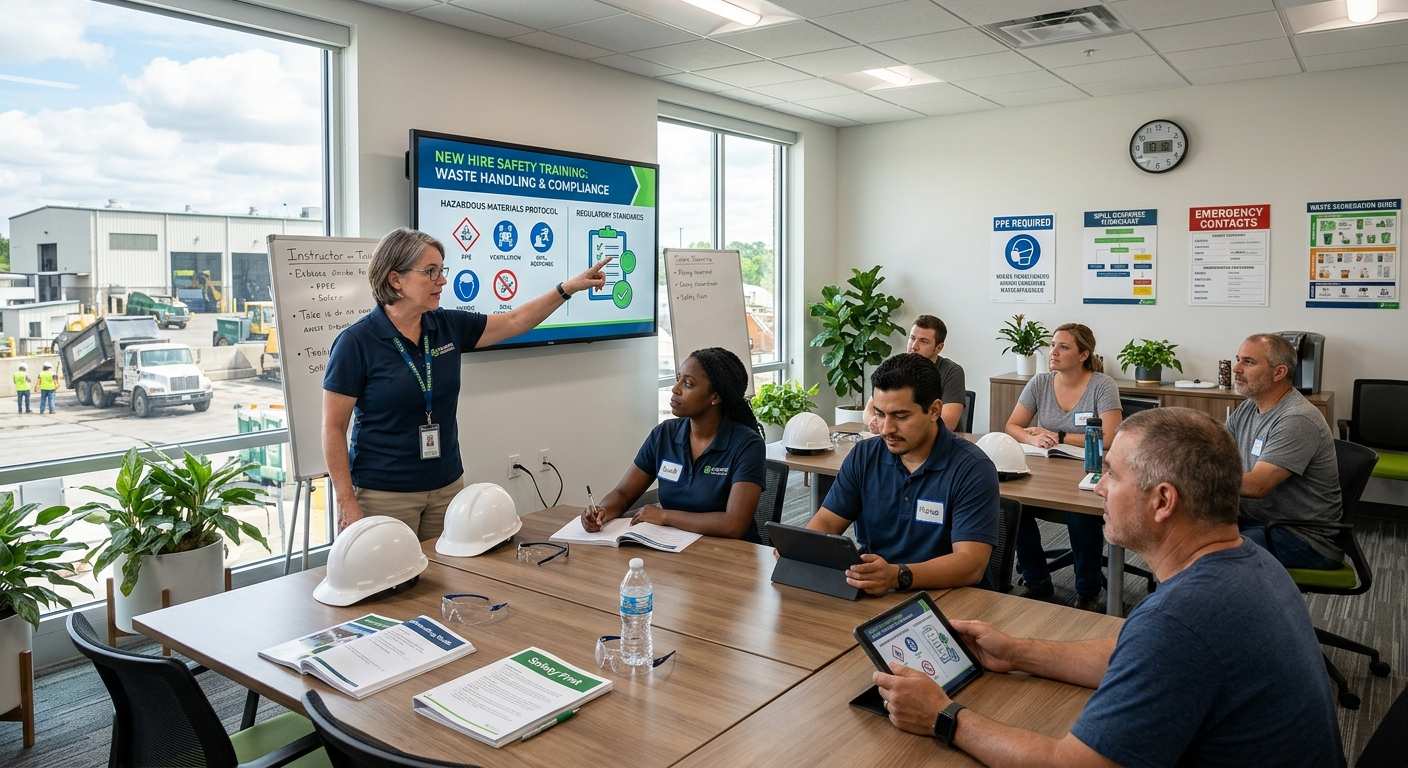
Onboarding systems for new employees in waste processing are critical frameworks tailored to facilitate integration into roles requiring specialized operational skills and compliance with strict safety regulations. These systems utilize competency assessments, personalized training paths, and real-time feedback to enhance skill acquisition and readiness while addressing the complex safety and environmental demands inherent in the sector. The effective implementation of onboarding processes not only supports operational efficiency but also ensures compliance with health and safety regulations enforced by agencies such as OSHA and the EPA.
Salaries for new employees typically range from $20 to $30 per hour, influenced by factors like geographic location and certifications. Securing industry-recognized credentials can enhance earning potential, thus influencing career advancement opportunities. Labor unions also play a significant role in advocating for better wages and working conditions, contributing overall to employee satisfaction within the sector.
Technological Integration in Onboarding
Modern onboarding systems leverage technology—particularly data analytics and artificial intelligence (AI)—to streamline training processes, enhancing the engagement and effectiveness of learning modules tailored to specific waste management tasks. These platforms support skill assessments that enable personalized learning experiences, allowing organizations to provide adaptive training and real-time feedback, which are essential for developing a skilled workforce equipped to tackle industry challenges.
Incorporating competency frameworks into training programs sets clear performance standards and helps align employee development with organizational goals. Effective onboarding should also emphasize ongoing training to keep staff updated on safety standards and technological advancements, fostering a culture of continuous improvement in compliance and operational efficiency.
Compensation and Career Development
Entry-level wages for waste processing roles generally range from $20 to $30, with a potential for higher earnings depending on experience, location, and the nature of the position. For example, certain advanced roles such as environmental engineers can command significantly higher salaries, particularly in regions with a higher cost of living. New hires are encouraged to pursue certifications relevant to environmental regulations and safety standards, as these qualifications can markedly improve career prospects and earning potential.
The importance of continuous skill acquisition cannot be overstated, as familiarity with agency standards like OSHA and EPA regulations is critical for compliance and effectiveness within the industry. Investing in training and certifications may yield significant long-term career benefits.
Regulatory and Safety Standards
Employees in waste processing navigate a complex regulatory landscape governed by agencies like OSHA and the EPA, which mandate adherence to safety and health protocols. The implementation of effective health and safety management systems is paramount, typically employing a continuous improvement approach that focuses on risk assessment and compliance audits. Training in safety measures is not only a regulatory requirement but critical for risk mitigation in hazardous environments.
Union representation within the waste management sector is influential in advocating for better working conditions, fair compensation, and comprehensive training, which together contribute to a stable and satisfied workforce.
Evaluating Onboarding Effectiveness
The evaluation of onboarding systems is essential for ensuring that training objectives align with organizational goals. Establishing key performance indicators (KPIs) specific to operational efficiency, safety, and cost control allows for a focused analysis of onboarding effectiveness. Utilizing data-driven onboarding platforms can enhance this evaluation process by providing real-time insights into employee performance and training success.
A robust evaluation framework not only considers individual skill development but also broader organizational metrics, such as recycling rates and operational efficiency, which reflect the overall impact of onboarding initiatives. Such comprehensive approaches enable waste management organizations to refine their onboarding practices, thus fostering a skilled and effective workforce.
“`
The content is provided by Harper Eastwood, Fact-Nest