Onboarding Systems for New Employee in Waste Processing: Tasks, Pay Insights, and How to Get Started
Highlights
- Advanced onboarding systems enhance skills and ensure safety in waste processing roles.
- Tailored training and competitive compensation boost employee satisfaction and retention in the industry.
Summary of Onboarding Systems in Waste Processing
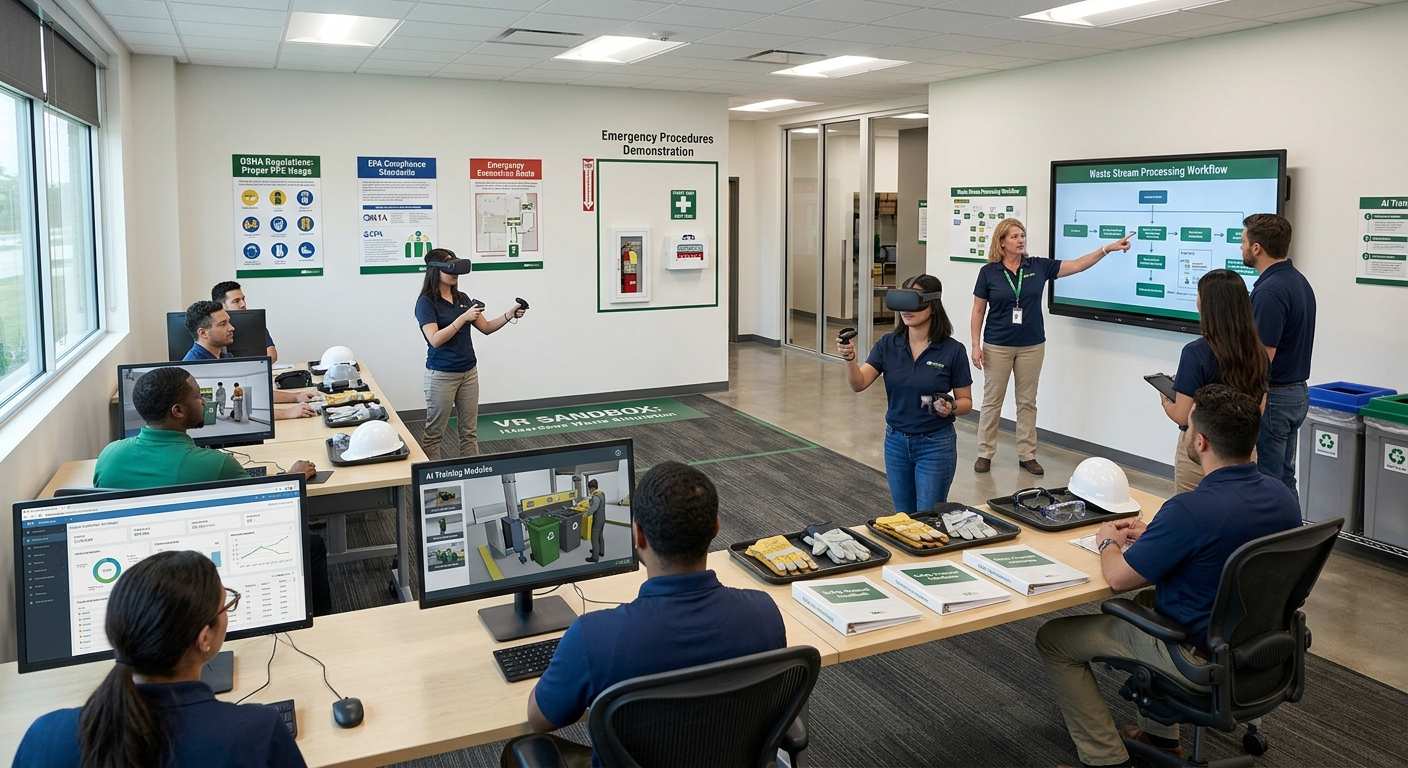
Onboarding systems for new employees in waste processing are designed to address the industry’s unique challenges, including safety, operational demands, and regulatory compliance. Utilizing advanced technologies such as artificial intelligence (AI) and data analytics, these platforms deliver personalized training aligned with role-specific competencies. Effective onboarding emphasizes safety education, covering topics like hazardous waste handling and compliance with regulations such as OSHA’s HAZWOPER and the EPA’s RCRA. The systems integrate with human resource management platforms to streamline processes and reduce onboarding time, aiming to enhance employee retention. However, despite technological advancements, challenges related to diverse job functions and regulatory complexity persist, necessitating continuous evaluation and adaptation. Future systems are expected to further integrate AI-driven learning and green technology to support environmental sustainability.
Technology and Data Integration
Modern onboarding platforms are increasingly data-driven, employing AI to create adaptive training modules. This personalization tailors training to the specific roles within waste management, fostering quicker skill acquisition and enhancing job satisfaction. By providing real-time feedback on employee performance, these systems minimize redundant training and improve overall onboarding efficiency. Automation of tasks such as scheduling and HR workflows also reduces administrative burdens, allowing HR teams to focus on strategic initiatives.
Role-Specific Competency and Safety Training
A vital aspect of onboarding in waste processing is role-specific competency assessments, which help identify individual skill levels and training needs. Effective training must address critical safety protocols, including the operation of specialized equipment and emergency procedures. Comprehensive safety training aligns with federal requirements, ensuring that employees are well-prepared to handle hazardous materials securely. Continuous learning through certifications and ongoing evaluations is necessary to maintain high safety standards and adapt to evolving regulatory frameworks.
Compensation Insights and Career Development
Compensation in waste processing roles varies significantly based on job functions and geographic area, with hourly wages typically ranging from $17.76 to $31.78. This wage variability underscores the importance of transparent pay structures to attract and retain talent. Additionally, employee development investments through training and certifications enhance long-term career prospects and operational efficiency. Understanding these pay dynamics is critical for both employers seeking to optimize workforce engagement and employees charting their career paths in the sector.
Compliance and Safety Frameworks
Labor regulations and union influences significantly shape onboarding practices within waste processing. Compliance with safety standards established by agencies like OSHA is crucial for preventing workplace injuries. Effective onboarding programs must integrate safety procedures tailored to specific roles, ensuring employees are aware of the associated risks and mitigation strategies. Unions advocate for improved working conditions and training, creating a safer workplace and enhancing employee representation. By aligning onboarding with regulatory compliance and promoting a culture of safety, employers can effectively mitigate risks and improve workforce morale.
The content is provided by Blake Sterling, Fact-Nest