Highlights
- Denmark’s commercial cleaning sector emphasizes sustainability with eco-friendly products and practices.
- Continuous training and innovation are essential for maintaining high standards and client relationships.
Overview of the Commercial Cleaning Industry in Denmark
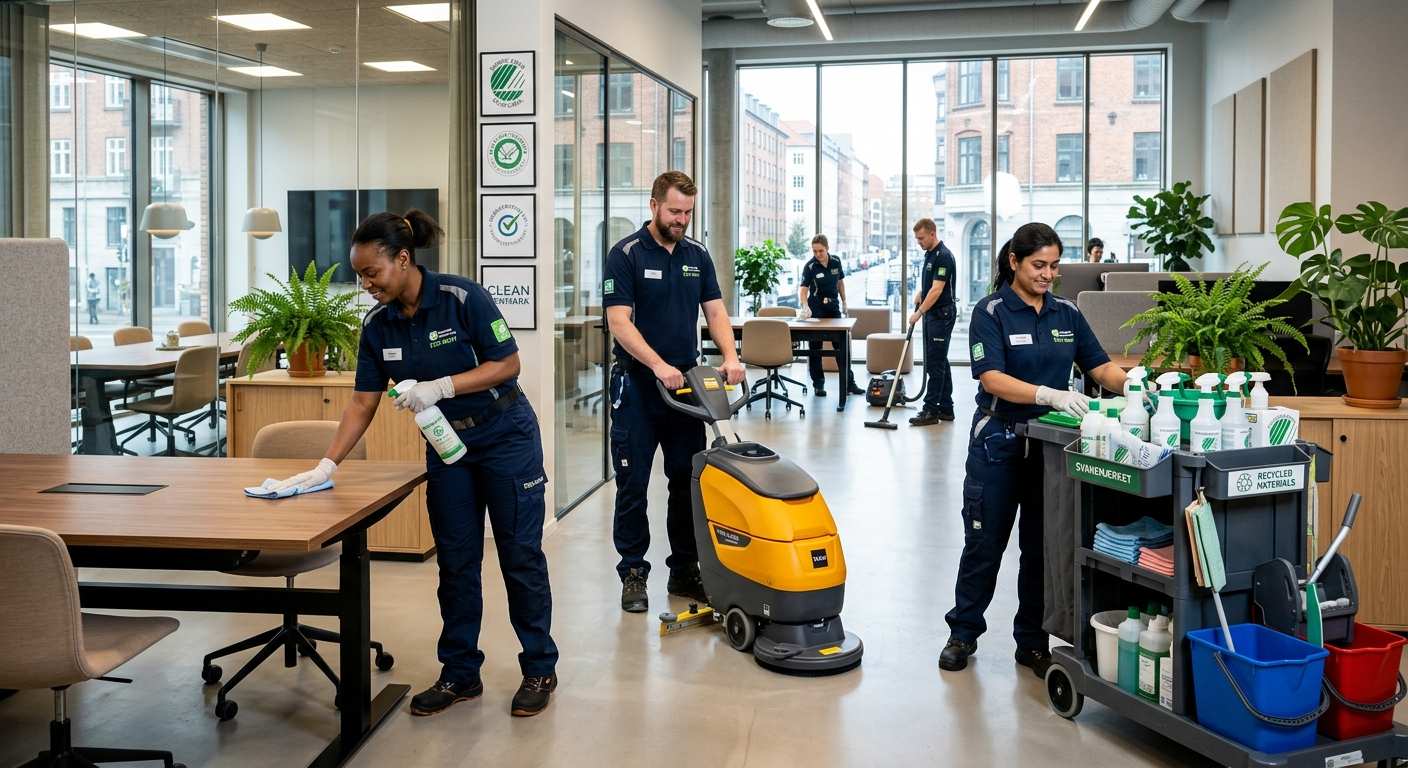
The professional commercial cleaning industry in Denmark is competitive, characterized by a mix of large multinational firms and regional providers that highlight service quality and customer loyalty. This diverse market serves a broad array of environments, from offices and factories to specialized sectors like pharmaceuticals, where strict hygiene standards are non-negotiable. Sustainability is a key focus, with companies adopting eco-friendly practices and compliant cleaning products, such as those bearing the Swan label and Green Seal certification. However, challenges persist, especially related to labor conditions in the context of gig work and occupational safety.
Market Structure and Economic Challenges
Denmark’s cleaning market is dominated by major facility management firms like ISS A/S and Sodexo. These companies typically secure long-term contracts and bundle services with broader facilities management options, which can limit opportunities for smaller local providers. Economic factors have recently pressured customer spending, resulting in diminished demand for higher-margin services, compelling firms to balance cost competitiveness with service quality to retain clients. Furthermore, the fragmentation of the market creates additional resilience challenges for cleaning companies, especially during economic downturns.
Service Types and Eco-Friendly Initiatives
Commercial cleaning services encompass a variety of functions, including industrial cleaning, office maintenance, and specialized cleaning tasks like mold removal and carpet cleaning. Industrial cleaning is particularly crucial in food production and pharmaceuticals, where compliance with hygiene regulations is critical. Many providers emphasize eco-friendly practices, utilizing sustainable products to meet growing environmental expectations while ensuring high hygiene standards in their service delivery. This is increasingly important as businesses pivot toward greener operational policies.
Workforce and Training Considerations
The cleaning sector’s workforce largely comprises blue-collar workers, often employed on an hourly basis, which introduces variability in wages based on performance and experience. The rise of non-standard employment models raises significant occupational health and safety (OHS) risks, necessitating robust training programs. Certification from organizations like ISSA’s Cleaning Management Institute and compliance with safety regulations are essential for maintaining a competent workforce and ensuring compliance with industry standards. Enhanced safety training is particularly vital given the array of environmental hazards associated with cleaning roles.
Regulatory Landscape and Future Directions
The regulatory framework governing the cleaning industry is rigorous, with a focus on environmental protection and occupational safety. Regulations mandate the use of sustainable cleaning products and safe operational practices. Future trends indicate a growing demand for green cleaning solutions, though economic pressures persist. To remain competitive, firms must navigate evolving market demands while ensuring compliance with labor laws and maintaining employee welfare. Continuous professional development and adaptation to legislative changes will be critical for success in this shifting landscape.
The content is provided by Jordan Fields, Fact-Nest